


A teenage boy was rescued from bushland in Ingleside after crashing on a mountain bike trail, prompting a coordinated emergency response to reach and extract him from a remote location.
A Fall on a Remote Track in Ingleside
The incident unfolded on the Happy Ending Trail near Wakehurst Parkway in Ingleside on Tuesday, 7 April, where a 14-year-old boy had been riding with friends on mountain bike trails.
During a downhill section approaching the Caleyi Trail, the rider failed to negotiate a jump, going over the handlebars. He landed heavily on his left side and was unable to walk from the scene.
The group remained in the bush but were able to alert emergency services and provide their exact position using a mobile location application.

Rapid Response Into Difficult Terrain
Emergency crews responded shortly after 10:15 am establishing a staging area along the Caleyi Trail before moving into the bush on foot.
Firefighters reached the injured boy first, walking approximately 200 metres along the trail to provide immediate assistance. A specialist paramedic joined them shortly after 11:00 am and conducted an on-site assessment.
The boy was treated for injuries affecting both wrists, along with his left shoulder and hip. Due to concerns about possible pelvic injury, responders immobilised him and prepared for a careful extraction.
Carried Out Through Bushland
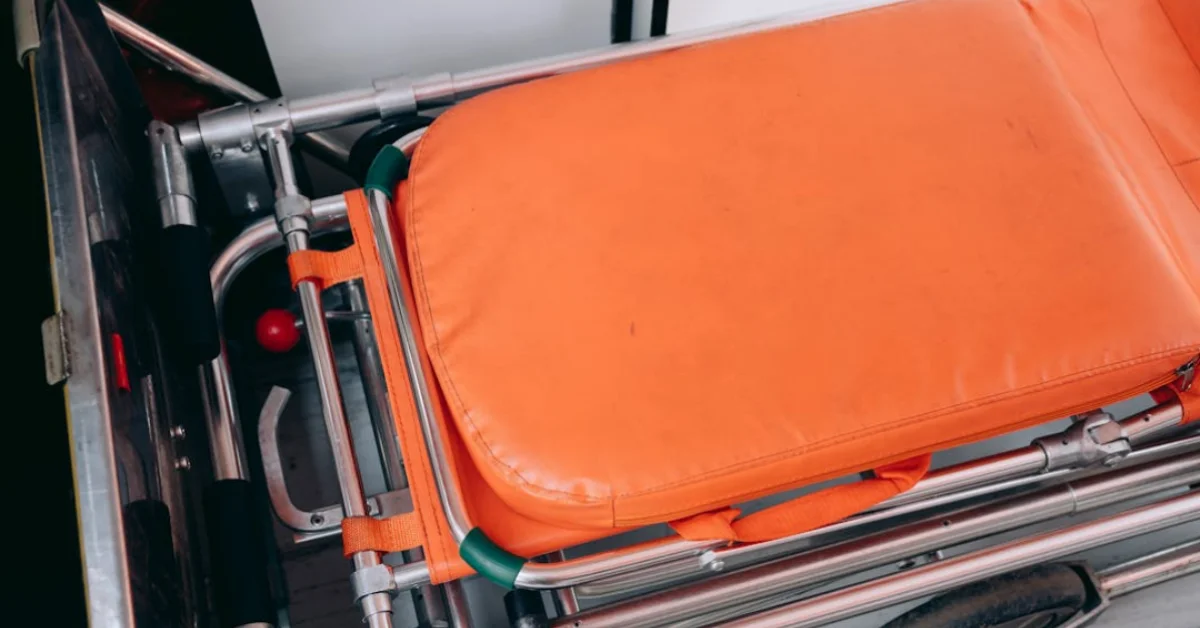
The rescue required responders to carry the boy out by hand from the trail. Police, paramedics and firefighters worked together to move him in a stretcher back to the staging area.
He was carried out just after 11:30 am. Once back at the staging area, the boy received further medical attention before being transported to hospital just after midday in the company of a parent. He remained in a stable condition.

Location Technology Aids Ingleside Rescue
The Ingleside rescue highlighted the role of location-sharing technology in emergency situations, particularly in areas without clear street access.
By providing precise coordinates from the scene, the group enabled crews to plan a route to the injured rider and carry out the rescue efficiently. The entire operation, from the Triple Zero call to hospital transport, was completed in under two hours.
Remote and difficult rescues across the Northern Beaches are not uncommon, particularly in areas without a defined street address. Accurate location information can help emergency crews reach the correct location more quickly in these environments.
Published 8-Apr-2026