


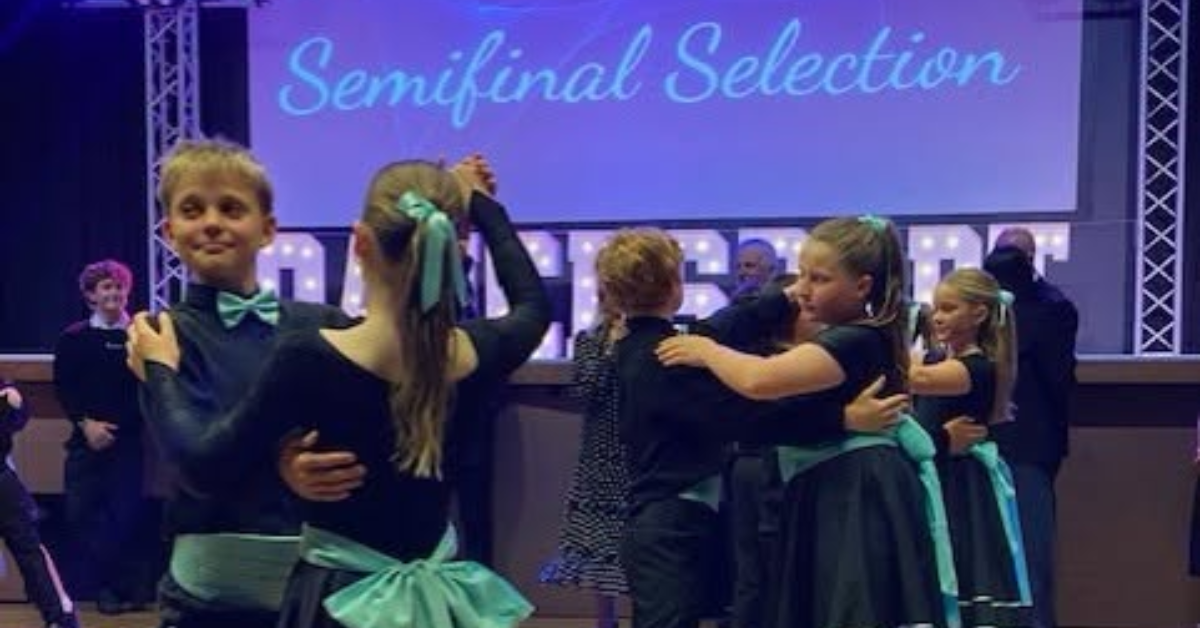
Year 5 pupils at Elanora Heights Public School collected four podium finishes at a DanceSport gala in September, according to the school. The school describes its Year 5 DanceSport program as a way to build coordination, confidence, teamwork and respect through ballroom and Latin partner dancing.
The Gala Results
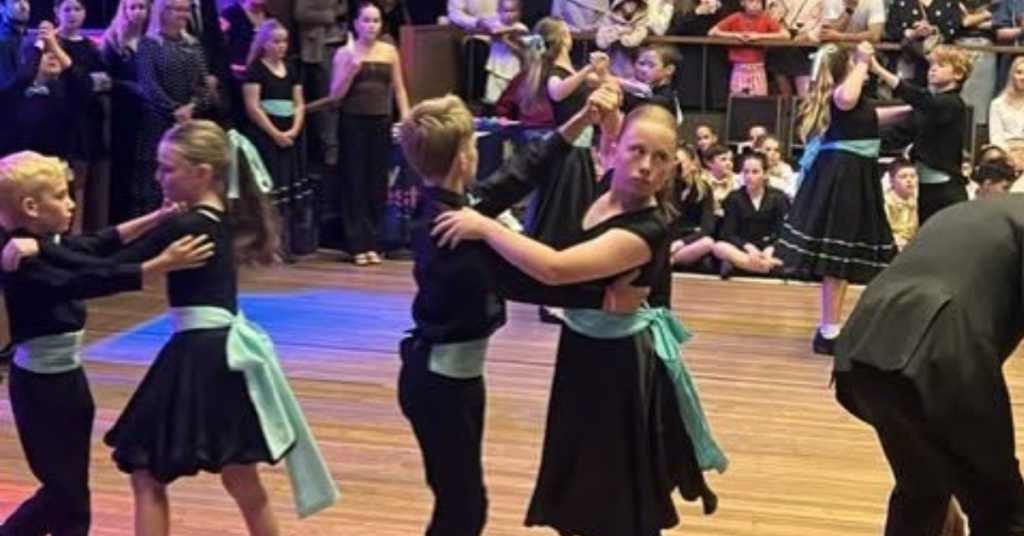
A school post dated 23 September 2026, republished by School and College Listings, says the DanceSport Challenge Gala Evening was held the previous evening, which makes it 22 September. The school reported first place in the Cha Cha, second and third places in the Tango, and third place in the Jive.
The placings come from the school’s own account. No organiser score sheet has been found to confirm them independently, and the school has not said how many pupils took part.
What the School Says Students Practise
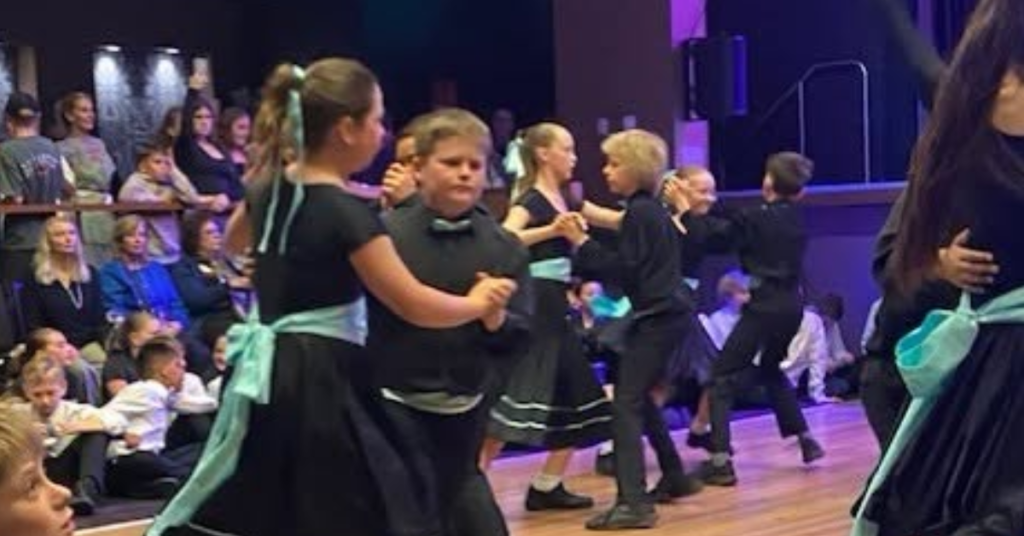
Elanora Heights lists DanceSport among its Year 5 offerings in the physical domain of its high-potential and gifted education program, alongside interschool sport pathways. Its student opportunities page names the Year 5 DanceSport Challenge as an in-school initiative. The school’s student wellbeing policy also lists DanceSport among its wellbeing programs.
The school describes the program as a structured introduction to ballroom and Latin dancing that is inclusive and physically engaging. It says partnered dance promotes teamwork, confidence, coordination and respect, and that the activity aligns with personal development, health and physical education (PDHPE) outcomes on movement, rhythm and social interaction.
The physical and social aims are closely linked in that description. Staying in rhythm asks each dancer to keep time with music, while coordinating steps asks two people to move as one unit. The school presents these as intended outcomes rather than measured results. The state’s high-potential and gifted education guidance covers creative, intellectual, physical and social-emotional domains, which gives the wider policy context for listing a dance program under that banner.
The school has not published the launch date, instructor, venue, lesson schedule, fees, participation rate or selection criteria. The listing under its high-potential offerings does not establish that every Year 5 pupil competed, or that only formally identified pupils can take part
How Nearby Schools Deliver the Program
Other northern beaches schools have published more detail about their programs, and the details belong to those schools. Collaroy Plateau Public School describes weekly professional tutorials over 10 to 15 weeks for Years 5 and 6, four partner dance styles and an interschool gala. Elanora Heights has not published equivalent arrangements.
Beyond the northern beaches, the NSW Department of Education’s August 2026 anniversary report describes a separate showcase at Sydney Olympic Park. It involved more than 1,000 students from 33 schools and an audience of 1,500. The report does not mention Elanora Heights.
The report also recounts how DanceSport began at Maroubra Bay Public School. Some pupils were keen from the start and others were unsure. One pupil said he had not wanted to dance, did not expect to be good at it and never imagined performing before a large audience, yet he took the floor at the anniversary event. Pupils from the school said the program involved practising, making mistakes, laughing and helping partners, and that classmates who began hesitantly grew more confident. Maroubra Bay also won the Sandra Nori Cup, which the department says recognises a school that embodies the spirit of DanceSport.
The broader initiative dates to 2006. The department says the first event that year involved six public schools in its Metropolitan South Directorate, and the DanceSport Challenge Gala organiser’s history gives the same starting point.
What the Research Does and Does Not Show
Published research offers context for the school’s aims but says nothing about Elanora Heights. A study of 79 fourth- and fifth-grade pupils at two New York public schools found that observers recorded moderate-to-vigorous activity for at least half of lesson time, on average, in ballroom dance classes.
A systematic review of 17 randomised trials of dance programs for school-age children and adolescents found mixed results on physical activity and cognition. Pooled working-memory findings did not show a significant improvement. The evidence, in short, is limited and uneven, and the school’s stated aims have not been tested locally.
Where Wellbeing Fits
The school’s wellbeing policy places DanceSport alongside its other student wellbeing programs, which suggests the school sees the lessons as more than preparation for a gala evening. How the school measures any of those goals has not been published.
Published Date 14-December-2026